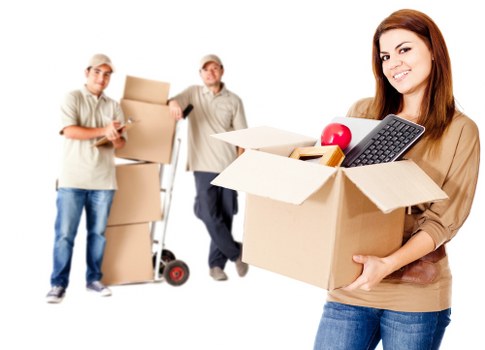
Health and Safety Policy for Movers Bromley
 This Health and Safety Policy sets out the principles and working standards followed by movers in Bromley to protect staff, clients, property, and the public. Every relocation carries potential risks, from lifting heavy furniture to navigating narrow hallways and handling fragile items, so a clear safety approach is essential. The aim of this policy is to reduce avoidable incidents, maintain safe working practices, and ensure that every move is carried out with care, control, and professionalism. Health and safety are not treated as an extra; they are built into every stage of the moving process.
Our Safety Commitment
The moving team is expected to work in a way that protects physical wellbeing and prevents damage to premises or possessions. Safe methods are used when loading, unloading, carrying, stacking, and securing items. All operatives are required to stay alert, communicate clearly, and take responsibility for spotting hazards before they cause harm. Where necessary, tasks are paused until conditions are made safe. This approach supports a consistent standard for removals in Bromley and helps ensure the service remains dependable, efficient, and respectful of every environment.
Risk awareness begins before the move starts. A suitable check of the property, access points, item sizes, and special handling needs is completed in advance or on arrival. The team considers trip hazards, uneven surfaces, weather conditions, lighting, parking access, and the safest route through the property. Items that are awkward, unstable, or especially heavy are assessed before being moved. Nothing is lifted automatically if it creates unnecessary risk. Instead, the plan is adjusted to protect both people and property.

Manual Handling and Equipment
Manual handling is one of the most important parts of a moving company safety policy. Staff are trained to use correct lifting methods, maintain stable posture, and avoid twisting under load. Team members work together on bulky or high-risk items and use suitable equipment such as trolleys, straps, blankets, ramps, and protective covers. When required, items are dismantled to make them safer and easier to move. This reduces strain on the body and lowers the chance of damage during house removals or business relocations.Equipment is checked before use and should only be operated by competent staff. Any defective item is removed from service until it can be inspected or replaced. Protective materials are used to keep furniture, walls, door frames, and floors safe from impact or scraping. Clear communication is essential when carrying items through tight spaces or when reversing vehicles. One person is responsible for giving instructions so that actions remain coordinated and no one is put at risk by sudden movement.
Working Environment and Behaviour
Good housekeeping is part of safe working practice. Walkways should remain clear, loose packaging should be removed promptly, and items should be stored securely to prevent collapse or obstruction. Team members are expected to wear suitable clothing and footwear that supports grip and movement. Shortcuts are not acceptable if they increase the risk of slips, falls, or strains. Safe behaviour includes following instructions, reporting concerns immediately, and treating clients’ homes and workplaces with the same level of care expected in professional removals services. All staff have a duty to act responsibly when working near the public, including residents, visitors, and other building users. Extra care is taken around children, pets, and vulnerable individuals. If an area becomes crowded or unsafe, the team may temporarily restrict access until the hazard has passed. Secure loading practices are always used so that items do not shift during transport. This is especially important when moving valuable, fragile, or unusually shaped belongings that require additional stability and attention.
The policy also covers hygiene and wellbeing. Workers should remain fit to carry out their duties and must not perform tasks when impaired by fatigue, illness, medication, or anything else that could affect judgement. Regular breaks are taken on longer jobs to reduce fatigue and maintain concentration. Drinking water and reasonable rest are encouraged, particularly during warm weather or demanding schedules. A safe moving service depends not only on physical technique but also on good decision-making and sustained attention throughout the day.
Training, Communication, and Incident Reporting
Training is a key part of maintaining high safety standards. New team members are introduced to lifting methods, safe loading procedures, hazard awareness, and emergency action. Ongoing refresher training helps maintain competence and supports consistent practice across all jobs. Clear communication ensures that each person understands their role, the route being used, and any special instructions connected to the move. This is particularly important for professional movers handling complex or time-sensitive work.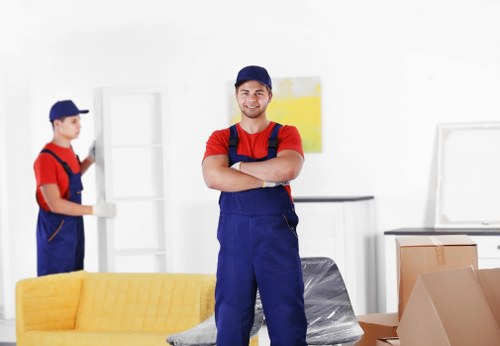
Reporting and Response
Any accident, near miss, injury, or property damage must be reported promptly so that it can be reviewed and, where necessary, acted upon. Reporting helps identify patterns, improve procedures, and prevent repeat incidents. If an emergency occurs, the team follows the appropriate response for the situation and prioritises the safety of everyone present. First aid arrangements, emergency exits, and evacuation routes are reviewed when relevant to the job. Preparedness matters because fast, calm action can reduce harm and limit disruption.Regular review supports continuous improvement. The policy is updated when working methods change, when new equipment is introduced, or when incidents suggest that a different approach is needed. Managers and staff are expected to contribute to a culture of safety by staying observant and making practical suggestions for improvement. A strong safety culture benefits everyone involved in the moving process and helps maintain a reliable standard across domestic and commercial moves.